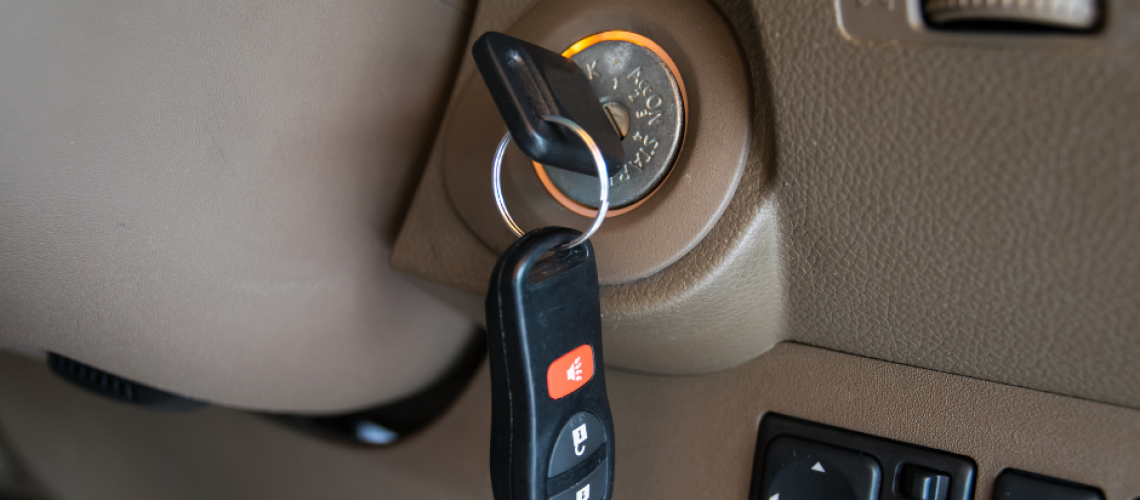
A car’s starter motor is one of the most essential components that help get your engine running. When you turn the ignition key, the starter engages, causing the engine to rotate and begin the combustion process. Without a functioning starter, your vehicle won’t start, leaving you stranded.
In this guide, we’ll walk you through how to remove and replace a faulty starter, so you can restore your vehicle’s functionality with confidence.
What is a Starter, and Why Is It Important?
The starter motor plays a key role in the ignition process of your vehicle. It initiates the rotation of the engine’s crankshaft, allowing the internal combustion process to begin.
Without the starter, your car’s engine won’t be able to run.
If you’re experiencing slow or unresponsive engine cranking, or if you hear a clicking noise when trying to start your car, chances are your starter is failing and needs to be replaced.
Common Causes of Starter Failure
Before diving into the removal and replacement process, it’s useful to understand the common causes of starter failure:
- Thermal Overload: Prolonged or repeated engine cranking can cause the starter to overheat, leading to failure.
- Mechanical Overload: Continuous operation without disengaging the starter after starting the engine can cause mechanical damage.
- Corrosion on Terminals: Heavy buildup on the earth or positive terminals can hinder the flow of electricity.
- Faulty Connections: Poor electrical connections may prevent the starter from receiving adequate power.
By recognizing these common issues, you can take preventive measures to maintain your starter and avoid premature failure.
Tools and Materials You Will Need
Before you begin the removal and replacement of the starter, gather the following tools and materials:
- Wrenches or Socket Set: To loosen and remove the bolts and connections.
- Multimeter: To test the electrical current and ensure adequate voltage.
- Battery Terminal Cleaner: To remove any corrosion on the terminals.
- Replacement Starter Motor: Make sure it matches the specifications of your old starter.
- Safety Equipment: Gloves and safety glasses.
Step 1: Disconnect the Battery
For your safety, always start by disconnecting the battery. This ensures there is no electrical flow while working on the vehicle, preventing accidental shocks or damage to the car’s electrical system.
- Locate the battery and use a wrench to disconnect the negative terminal (black cable) first.
- Once the negative terminal is removed, proceed with disconnecting the positive terminal (red cable).
By cutting off the electrical current, you protect yourself and your vehicle’s electronics from damage.
Step 2: Locate the Starter
The next step is to locate the starter in your vehicle. Depending on the make and model, the starter is usually positioned near the bottom of the engine, either bolted to the transmission or engine block.
If you’re unsure where it is, consult your vehicle’s manual for the exact location.
Step 3: Disconnect Electrical Connections
After locating the starter, the next step is to remove the electrical connections that are attached to it.
- Using a wrench or socket set, carefully disconnect the wires connected to the starter. It’s a good idea to mark the wires or take a picture to remember their placement for reinstallation.
- Check for corrosion or wear on the wires and terminals. If you spot any damage, consider replacing them as well.
Properly labelling the wires will help ensure that you reconnect them correctly when installing the new starter.
Step 4: Remove the Old Car Starter
Now that the wires are disconnected, you can proceed with removing the old starter.
- Use a socket wrench to loosen and remove the bolts that secure the starter in place. There are usually two or three bolts holding the starter to the engine block or transmission.
- Once the bolts are removed, gently pull the starter away from its housing. Be careful when removing it, as some starters may be heavy.
Step 5: Inspect the Flywheel and Old Starter
Before installing the new starter, inspect the flywheel and the teeth on the old starter. The flywheel is the gear that the starter engages with to crank the engine.
- Check for any wear or damage to the teeth of the flywheel. If they are worn or damaged, it may cause issues with the new starter, so it’s essential to replace or repair them if needed.
- Compare the old starter to the new one to ensure they match in size, shape, and specification.
This step helps to ensure that the new starter will engage properly with the engine.
Step 6: Install the New Starter
Once you’ve confirmed that the new starter matches the old one, you’re ready to install it.
- Carefully position the new starter in place and align it with the bolt holes.
- Insert the bolts and tighten them using your socket wrench. Make sure they are securely fastened but avoid overtightening, as this can damage the bolts or the housing.
Step 7: Reconnect Electrical Wires
With the starter securely in place, it’s time to reconnect the electrical wires.
- Refer to the labels or photos you took earlier to ensure that the wires are reconnected to the correct terminals.
- Tighten the connections with a wrench, ensuring they are secure but not overly tight. Loose connections can lead to poor electrical flow, while overtightening can damage the terminals.
Step 8: Reconnect the Battery
Now that the starter is installed, you can reconnect the battery.
- Attach the positive terminal (red cable) to the battery first, followed by the negative terminal (black cable).
- Tighten the connections to ensure a secure fit.
Once the battery is connected, you are ready to test the new starter.
Step 9: Test the New Starter
The final step is to test the new starter by turning on the ignition.
- Turn the key in the ignition and listen for the sound of the engine cranking. A smooth, quick cranking sound indicates that the starter is functioning correctly.
- If the engine starts without any issues, your installation was successful. However, if you hear grinding noises or the engine doesn’t crank properly, you may need to recheck the installation or consult a professional.
Keeping Your Vehicle Running with a New Starter
Replacing your vehicle’s starter is an essential maintenance task that can restore your vehicle’s functionality and prevent breakdowns. By following this step-by-step guide, you can confidently remove and replace a faulty starter on your own. Regular inspection and prompt replacement of your vehicle’s starter will ensure reliable engine performance for years to come.
Remember, if you’re ever unsure about performing any electrical work on your car, it’s always best to consult with a professional mechanic or technician.
Stay Connected with Midas Paarl
Stay updated with the latest products, promotions, and automotive tips by following Midas Paarl on social media. Your car deserves the best, visit us today!
(With over 300 franchised outlets across Southern Africa, including Botswana, Lesotho, Mozambique, Namibia, Swaziland, and Zimbabwe, Midas Paarl is your trusted source for automotive tools and equipment.)