What Are Brake Parts and Why Are They Important? Brake parts play a crucial role in ensuring your vehicle’s safety and performance. Whether you’re driving on city roads or highways, your brake system is responsible for stopping your vehicle effectively.
From brake pads and rotors to calipers and brake lines, every component works together to deliver optimal braking power. If you’ve ever wondered how these parts function or when to replace them, you’re in the right place. In this comprehensive guide, we’ll explore the essential brake parts, how they work, and why maintaining them is vital for your safety on the road.
The Essential Components of a Brake System
Understanding the various brake parts Paarl is the first step to proper maintenance and replacement. Here are the key components:
1. Brake Pads
Brake pads are the most commonly replaced brake part. These are friction materials pressed against the brake rotor to create the stopping power needed to slow down or stop your car.
Key Features:
- Made from organic, ceramic, or metallic materials.
- Wear over time and need regular replacement.
Signs of Wear:
- Squealing or grinding noises.
- Reduced braking efficiency.
2. Brake Rotors (or Discs)
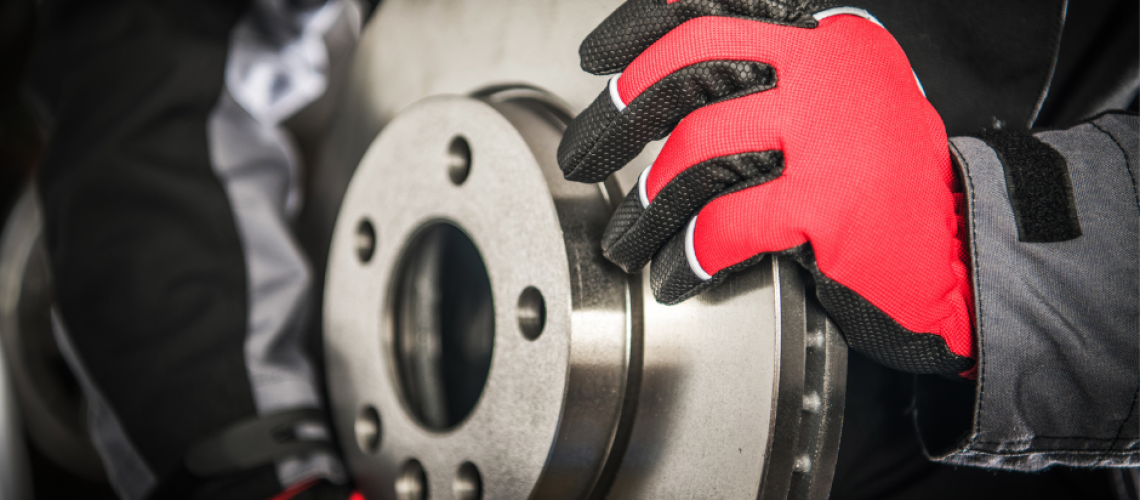
Brake rotors are the flat, circular discs connected to your car’s wheels. When the brake pads clamp down on the rotors, friction is created to stop the wheel from turning.
Key Features:
- Available in solid, vented, or drilled designs.
- Require smooth surfaces for effective braking.
Signs of Wear:
- Vibrations when braking.
- Visible grooves or warping.
3. Brake Calipers
Brake calipers house the brake pads and use hydraulic pressure to press them against the rotors.
Key Features:
- Available as floating or fixed calipers.
- Critical for even brake pad pressure.
Signs of Wear:
- Uneven brake pad wear.
- Leaking brake fluid.
4. Brake Lines
Brake lines transfer hydraulic brake fluid from the master cylinder to the brake calipers.
Key Features:
- Made of steel or flexible rubber.
- Essential for consistent hydraulic pressure.
Signs of Wear:
- Leaks in the lines.
- Spongy brake pedal feel.
5. Brake Fluid
Brake fluid is the lifeblood of your brake system, enabling the transfer of force through the hydraulic lines.
Key Features:
- Must meet specific DOT standards (DOT 3, DOT 4, etc.).
- Hygroscopic, meaning it absorbs moisture over time.
Signs of Degradation:
- Dark or murky appearance.
- Reduced braking responsiveness.
How to Maintain Your Brake Parts
Regular maintenance of your brake parts can extend their lifespan and improve safety. Follow these tips to keep your brakes in top shape:
Inspect Your Brake Pads and Rotors
- Check for visible signs of wear or damage.
- Replace brake pads when they reach 3mm thickness or less.
- Ensure rotors are smooth and free from grooves.
Monitor Brake Fluid Levels
- Regularly check your brake fluid reservoir.
- Replace brake fluid every two years or as recommended by the manufacturer.
Listen for Unusual Noises
- Squealing or grinding noises can indicate worn brake pads or rotors.
- Address these issues immediately to avoid further damage.
Test Brake Performance
- Pay attention to how your brake pedal feels.
- A soft or spongy pedal may signal air in the brake lines or fluid leaks.
When Should You Replace Brake Parts?
Knowing when to replace your brake parts is crucial for maintaining road safety. Here are general guidelines:
Brake Pads
- Replace every 30,000 to 70,000 km, depending on driving conditions and pad material.
Brake Rotors
- Replace or resurface every 70,000 to 100,000 km or when they show signs of warping or grooves.
Brake Calipers
- Replace when leaking or when the pistons fail to retract.
Brake Lines
- Inspect for leaks or damage annually and replace as needed.
Brake Fluid
- Flush and replace every two years to prevent moisture buildup and corrosion.
Common Brake Problems and How to Solve Them
Even with regular maintenance, brake problems can arise. Here are some common issues and their solutions:
1. Squealing Brakes
Cause: Worn brake pads or lack of lubrication on pad backing plates. Solution: Replace brake pads and apply anti-squeal lubricant.
2. Vibrations While Braking
Cause: Warped rotors. Solution: Resurface or replace the rotors.
3. Soft or Spongy Brake Pedal
Cause: Air in the brake lines or fluid leaks. Solution: Bleed the brake system and check for leaks.
4. Brakes Pulling to One Side
Cause: Uneven brake pad wear or a stuck caliper. Solution: Replace the affected brake pads or caliper.
Why Choose Quality Brake Parts?
Investing in high-quality brake parts ensures better performance, longevity, and safety. Cheap or inferior components can lead to:
- Reduced braking power.
- Faster wear and tear.
- Increased risk of accidents.
At Midas Paarl, we offer a wide range of premium brake parts from trusted brands. Our knowledgeable staff can help you choose the right components for your vehicle, ensuring peace of mind on every journey.
Conclusion: Your Safety Starts with Quality Brake Parts
Brake parts are a vital component of your vehicle’s safety system. Regular inspection, timely replacement, and using high-quality components are essential for optimal performance.
Whether you need new brake pads, rotors, or calipers, Midas Paarl has you covered with top-notch products and expert advice. Stop by Midas Paarl today and explore our extensive selection of brake parts. Our team is here to assist you in keeping your vehicle safe and reliable.
Follow us on social media to stay updated on our latest products and special offers.
(With over 300 franchised outlets across Southern Africa, including Botswana, Lesotho, Mozambique, Namibia, Swaziland, and Zimbabwe, Midas Paarl is your trusted source for automotive tools and equipment.)